
Orthognathic Surgeries Al Ain: Transformative Jaw Correction
Complex skeletal discrepancies require an advanced, multidisciplinary approach. Therefore, Orthognathic Surgeries Al Ain seamlessly combine specialized orthodontic treatments with precision maxillofacial surgery to correct severe abnormalities in the upper jaw, lower jaw, or both simultaneously.
The Multidisciplinary Surgical Team
Achieving flawless results in orthognathic surgery requires the synchronized expertise of a highly specialized medical team:
- The Orthodontist: Develops the comprehensive treatment plan and applies orthodontic braces during the initial phase. This vital step prepares and aligns the jaws prior to surgery. Furthermore, the orthodontist finalizes the bite alignment after the surgical phase concludes.
- The Maxillofacial Surgeon: Evaluates the patient progressively in coordination with the orthodontist. Subsequently, the surgeon performs the specialized jaw surgery once the dental arches reach optimal preparation.

Clinical Indications for Orthognathic Surgeries Al Ain
In specific clinical scenarios, conventional orthodontics alone cannot resolve underlying skeletal defects. Therefore, surgical intervention becomes an indispensable medical necessity. We routinely treat the following severe conditions:
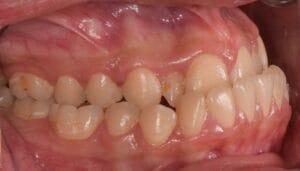
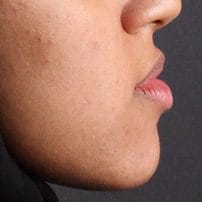
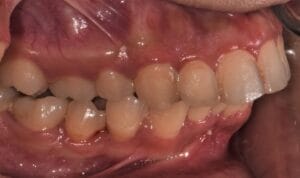
1. Severe Protrusion or Retrusion
Extreme forward protrusion or backward retrusion affecting one or both jaws severely disrupts facial harmony and chewing efficiency.
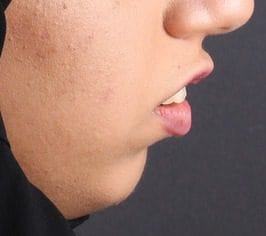
2. Gummy Smile and Jaw Deviation
Surgical correction effectively resolves excessive gingival display (gummy smile) and obvious lower jaw deviations to either side, restoring perfect facial symmetry.
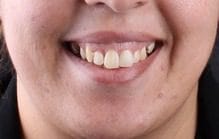
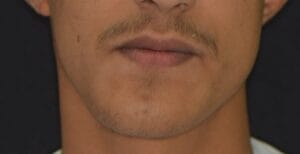
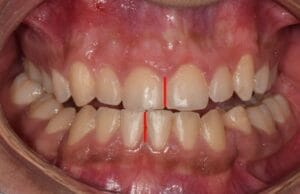
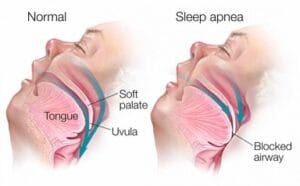
3. Airway Narrowness (Sleep Apnea)
Orthognathic procedures physically expand restricted airways, providing a definitive anatomical cure for conditions like obstructive sleep apnea.
Limitations of Non-Surgical Approaches
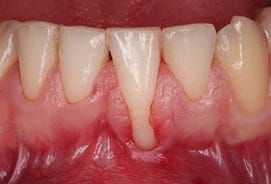
Patients frequently inquire about utilizing invisible aligners or braces exclusively for severe skeletal issues. While moving teeth without surgery is mechanically possible, attempting to mask a skeletal defect orthodontically often causes severe negative consequences. Consequently, this compromise compromises facial aesthetics, diminishes chewing efficiency, and leads to orthodontic relapse. Moreover, extreme tooth movement forces the roots out of the bony envelope, causing severe gingival recession and irreversible root resorption.
The Comprehensive Surgical Orthodontic Journey
We ensure a meticulously planned, step-by-step clinical protocol to guarantee maximum safety and success:
- Initial Assessment: The orthodontist conducts a comprehensive clinical examination, acquiring digital intraoral scans, facial photographs, and specialized 3D X-rays.
- Joint Consultation: The orthodontist and maxillofacial surgeon collaboratively analyze the data. Subsequently, they formulate a precise, unified treatment plan with the patient.
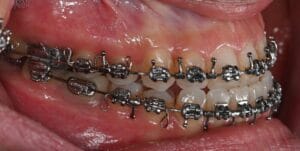
- Pre-Surgical Orthodontics: The orthodontist installs fixed braces to position the teeth perfectly over their respective jawbones. This critical preparation phase ensures the teeth will interlock correctly once the surgeon moves the jaws.
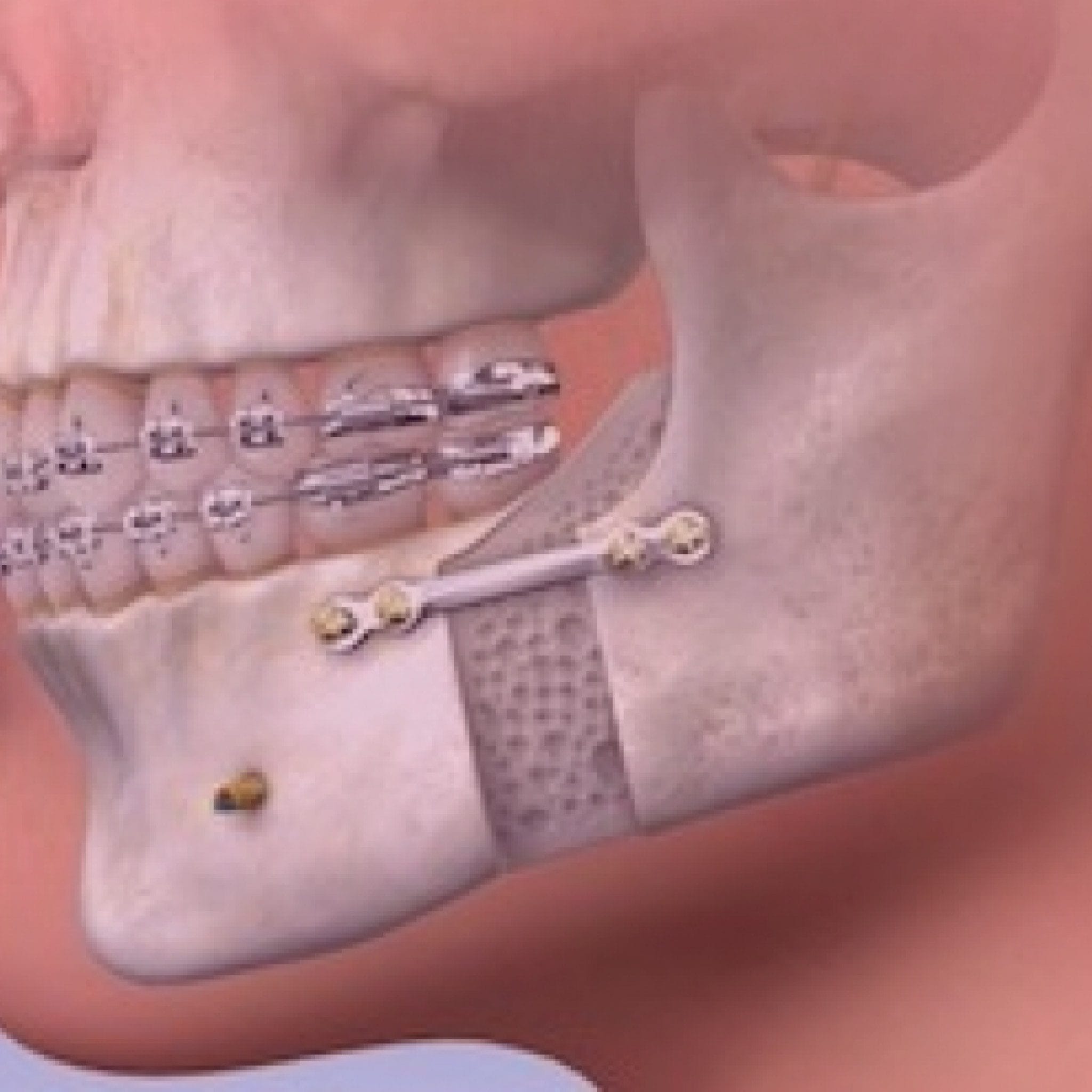
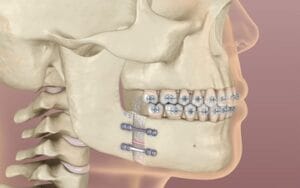
- The Surgical Procedure: The surgeon performs the operation entirely from inside the mouth under general anesthesia, ensuring absolutely no visible facial scars. Titanium plates securely fix the jaws in their new, correct anatomical positions.
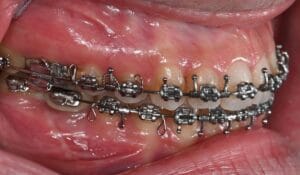
- Recovery and Post-Surgical Orthodontics: Following a brief hospital stay, the orthodontist uses light rubber bands to guide the settling of the new bite. After clearing the initial healing phase, the orthodontist initiates the final detailing phase—typically lasting three months—before removing the braces and providing retainers.
Expected Post-Operative Considerations
As with any major surgical intervention, patients will experience manageable side effects. Primarily, mild pain and facial swelling are natural occurrences that peak within the first few days and resolve gradually with prescribed medications. Furthermore, temporary numbness in specific facial areas is common due to nerve manipulation; full sensation typically returns progressively over several months.
Orthognathic surgery is a definitive medical solution for complex skeletal discrepancies that compromise health and aesthetics.

